One Expired Certificate Can Take Down Your Business. Here Is What You Need to Do Before 2029
cybersecurity CyberArk
In the ever-evolving realm of software development, Okta has made a groundbreaking advancement with the general release of Fine Grained Authorization (FGA). This innovative tool is more than just an enhancement for developers - it’s a revolution in authorization technology. FGA presents a centralized, robust, and scalable solution, enabling developers to shift their focus to what they do best: creating exceptional products.
FGA is an advanced access control method in software systems, offering more detailed and precise user permissions management than traditional role-based models. It allows assigning specific access rights based on various user attributes, ensuring enhanced security and compliance, particularly in complex and collaborative software environments. FGA enables dynamic, scalable, and flexible authorization, which is vital for modern, feature-rich SaaS applications.
Still lost? Here is a simple video that explains it a bit more:
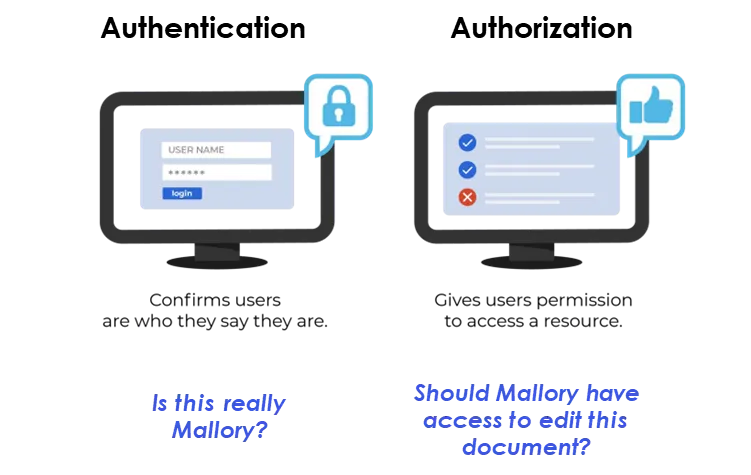
Authentication and authorization are two distinct security processes in the digital world. Authentication verifies a user’s identity, typically using credentials like passwords, biometric data, or one-time pins. It’s a way to ensure that users are who they claim to be. On the other hand, authorization comes into play after authentication, determining what an authenticated user can do or access within a system. It involves setting and managing permissions, often based on roles, to control access to resources like files, applications, or data.
Least Privilege Access is a security principle that minimizes cybersecurity risks by granting users only the access and permissions necessary to perform their job functions. This approach limits the potential damage in case of an access breach, as users cannot access information or systems irrelevant to their roles. Restricting access rights simplifies user permissions management and enhances any enterprise’s overall security posture. This concept is essential in environments with sensitive data and large, diverse user bases.
The complexity of Fine Grained Authorization (FGA) arises from its nuanced approach to managing access control. Unlike simpler, role-based models, FGA handles many variables, such as user attributes, resource types, and context-specific permissions. This granularity means more detailed rules and policies must be defined and managed, making the system more complex. Moreover, as applications and user needs evolve, maintaining and updating these intricate authorization policies requires a sophisticated understanding of the security landscape and the specific application environment.
Fine Grained Authorization (FGA) differs from traditional methods like role-based access control (RBAC) by offering more nuanced and specific access management. While RBAC assigns broad permissions based on user roles, FGA allows for detailed, attribute-based control, adapting to complex and dynamic access requirements. This granularity in FGA enables more precise security and compliance, addressing the sophisticated needs of modern, feature-rich applications. In contrast, RBAC’s simpler, role-centric approach may struggle with the intricate permissions required in digital environments.
Access control is not just about roles and titles in today’s dynamic digital landscape. It’s about adapting to diverse needs with tailored permissions. Here are some examples:
This flexible, context-sensitive approach exemplifies the modern need for nuanced access control.
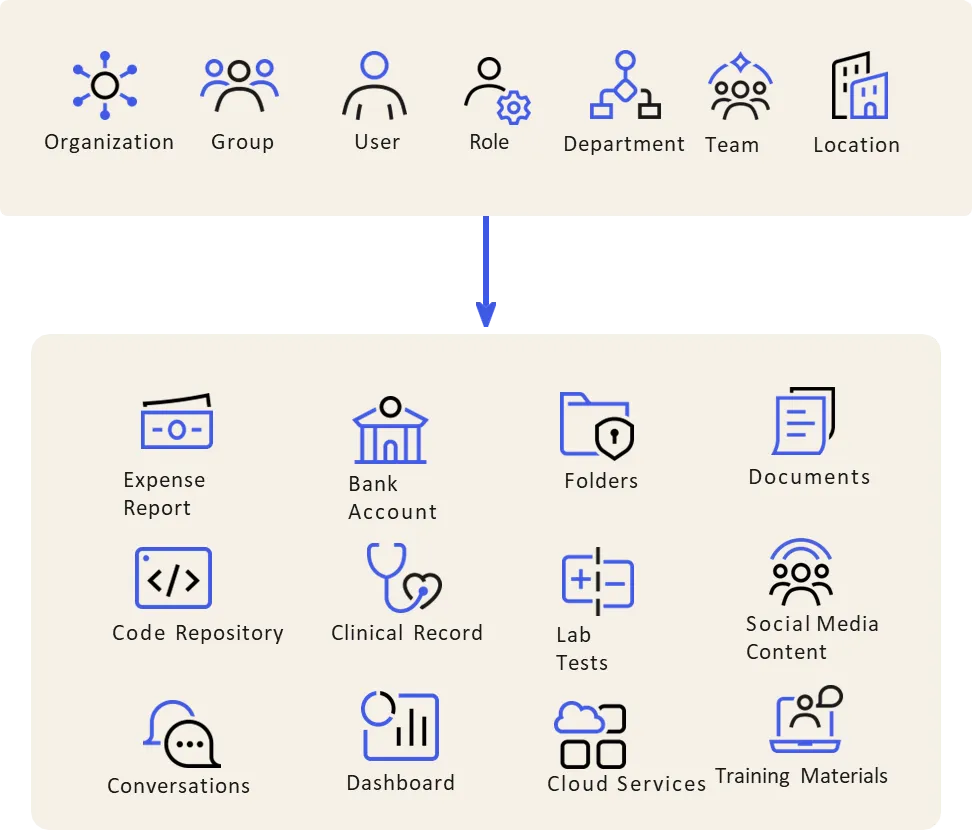
Okta Fine Grained Authorization (FGA) offers a flexible, scalable, and secure solution for varying authorization needs, from coarse to fine-grained. It simplifies access control management across multiple applications and user types, facilitating a robust authorization-as-a-service model. This approach enables developers to design and implement tailored permissions efficiently, streamlining the process of managing access in complex digital environments. Okta addresses Fine Grained Authorization (FGA) through a comprehensive and adaptable solution:
If you’re looking to elevate collaboration, comply with stringent industry regulations, or offer more granular control than RBAC, Okta FGA might be your answer. Its efficiency in managing complex access control frees developers to focus on innovation rather than administration. If you answer yes to one or more of the questions below, then you need Okta FGA:
Alchemy Technology Group’s AppDev services can help integrate your complex application with Okta FGA. This service provides a practical approach to help teams overcome challenges and implement best practices for timely project completion. Alchemy AppDev services include a thorough discovery process to identify needed FGA integrations, a structured execution phase with iterative feedback, and a smooth handoff ensuring that IT and business stakeholders are equipped for long-term success.
Integrating Okta Fine Grained Authorization (FGA) into your security and compliance framework is crucial as SaaS solutions become more collaborative and complex. This approach enables developer teams to focus less on maintaining authorization systems and more on driving innovation and creating new features.